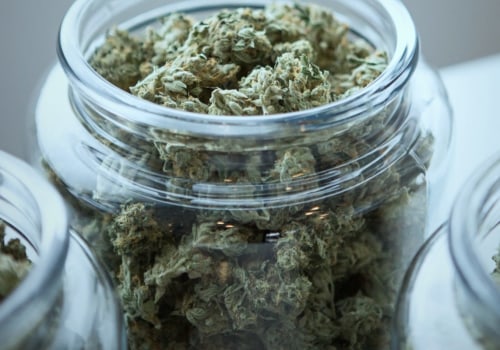
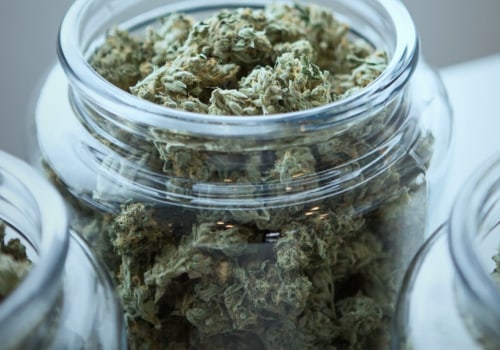
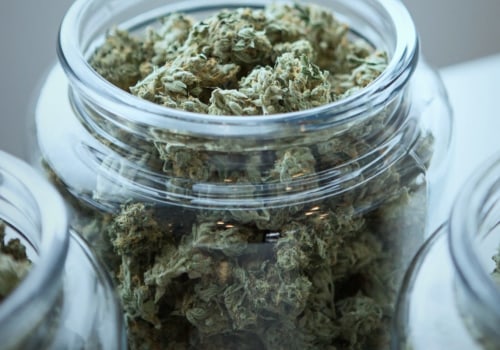
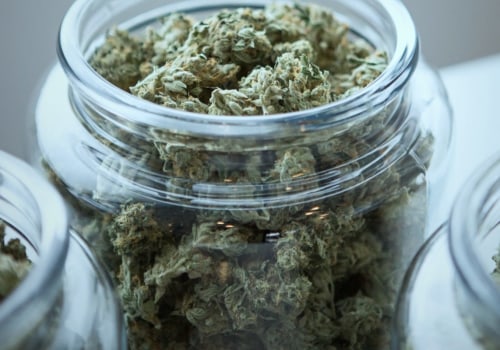
Wellness goals can influence how people think about and approach products such as indica cannabis. Individuals may have different reasons for considering cannabis, including relaxation, recreational enjoyment, or creating a more restful evening routine. Because experiences can vary significantly, it is important to approach cannabis with realistic expectations rather than assuming that a particular product will produce the same outcome for everyone. Personal factors such as previous experience, sensitivity, other substances or medications, and overall circumstances can influence how someone responds. Taking time to understand personal wellness priorities can encourage more thoughtful decisions and help individuals recognize when a particular approach may not align with their needs.
Recognizing the Role of Expectations
Expectations can have a meaningful influence on how people perceive an experience. Someone who associates an indica product with relaxation may approach it differently from someone who is primarily interested in recreational effects. However, labels and common descriptions should not be treated as guarantees. Cannabis effects can differ based on the specific product, cannabinoid and terpene composition, potency, amount used, individual biology, and other factors. Understanding this variability can help people avoid unrealistic expectations. Instead of assuming that an indica product will automatically create a particular feeling, individuals can consider their goals, learn about the product, and pay attention to how their body and mind respond.
Considering Emotional Well-Being
Wellness involves more than physical habits, and emotional well-being can also influence decisions surrounding cannabis. People may turn to recreational substances during periods of stress, social pressure, or difficult emotions. While some individuals may describe cannabis as relaxing, relying on it as the primary strategy for managing persistent emotional distress can create concerns that deserve attention. Individuals who notice that cannabis use is interfering with relationships, responsibilities, motivation, or daily functioning may benefit from discussing their experiences with a qualified professional. Resources such as Cabot Psychological Services may provide appropriate psychological support for people seeking healthier ways to understand and manage emotional challenges.
Making Informed and Responsible Choices
Anyone considering cannabis should understand potential risks as well as possible desired effects. Cannabis can affect attention, memory, coordination, judgment, and reaction time, and its effects may be unpredictable for some individuals. Combining cannabis with alcohol or other substances can increase impairment and may introduce additional risks. People should also be aware of applicable laws and restrictions in their location. Individuals who are pregnant, have certain medical or psychiatric concerns, take medications, or have other health considerations should discuss cannabis use with an appropriate healthcare professional before making decisions. Responsible choices begin with recognizing that wellness goals do not eliminate the potential risks associated with cannabis.
Aligning Choices With Long-Term Well-Being
Wellness goals are most useful when they support sustainable habits and overall quality of life. If someone is considering cannabis as part of a personal routine, it can be helpful to reflect on whether that choice supports or interferes with broader priorities. Keeping track of patterns, noticing changes in mood or functioning, and remaining attentive to unwanted effects can encourage greater self-awareness. Wellness is not defined by one product or routine, and there is no single approach that works for everyone. Ultimately, thoughtful decision-making involves understanding personal goals, recognizing individual differences, considering potential risks, and seeking professional guidance when appropriate. By taking a balanced approach, individuals can make choices that are more consistent with their broader efforts toward physical, emotional, and social well-being.