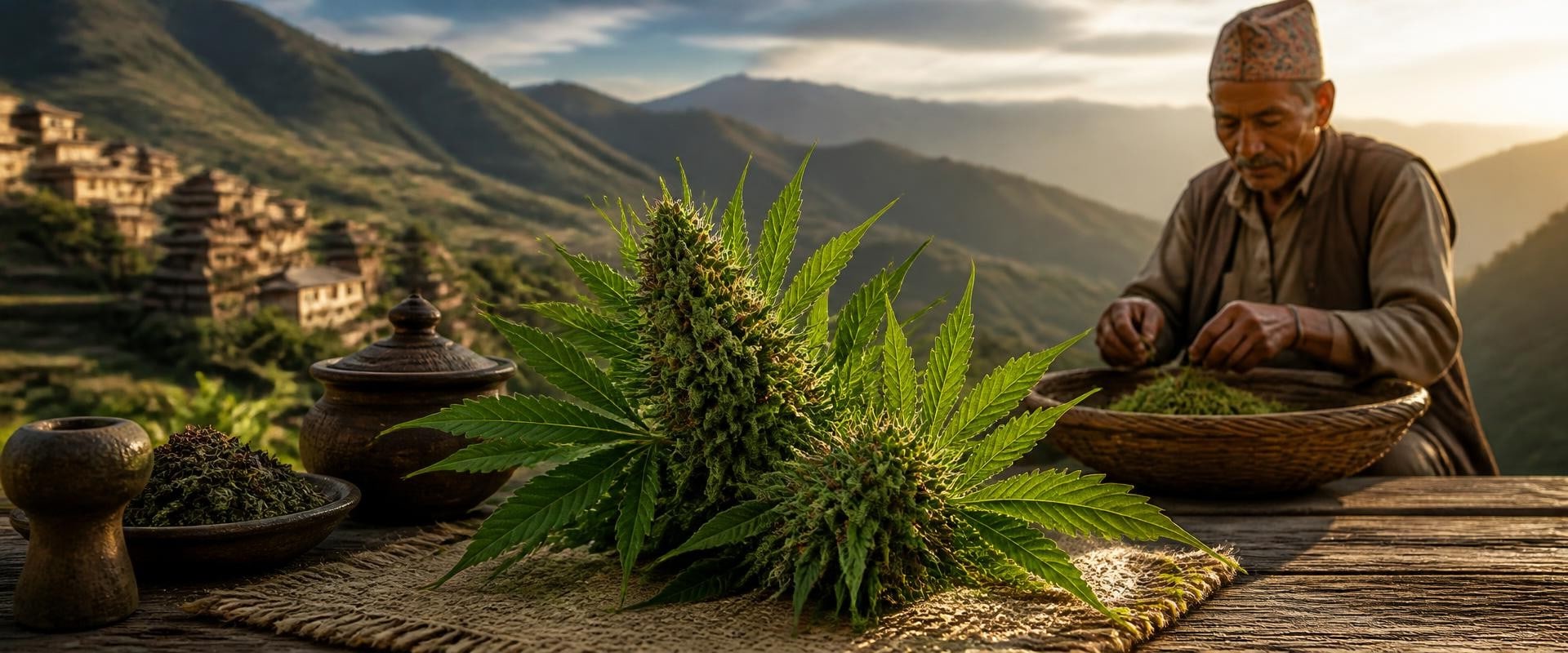
Indica cannabis strains have a long and fascinating history connected to traditional agriculture, botanical classification, and cultural practices across different regions. Cannabis plants have been cultivated for thousands of years, serving various purposes, including fiber production, traditional remedies, and ceremonial activities. The term indica became part of botanical discussions as researchers attempted to distinguish cannabis populations based on their physical characteristics and geographic origins. Understanding the historical development of indica cannabis provides valuable insight into how these plants became recognized and how their classification has evolved within modern cannabis research.
Exploring the Geographic Origins of Indica Cannabis
Cannabis populations traditionally associated with indica characteristics are often linked to regions across Central and South Asia, particularly areas surrounding Afghanistan, Pakistan, and the Hindu Kush mountain range. These environments feature challenging climatic conditions that influenced the development of locally adapted cannabis populations. Plants associated with these regions are frequently described as relatively short, bushy, and broad-leaved compared with certain other cannabis varieties. However, cannabis classification remains scientifically complex, and geographic origins alone cannot reliably determine a plant's chemical composition or biological effects.
Understanding the Botanical Classification of Cannabis Indica
The name Cannabis indica was introduced by French naturalist Jean-Baptiste Lamarck in 1785 after examining cannabis specimens associated with India. Lamarck observed differences between these plants and previously described European hemp varieties, contributing to discussions about whether cannabis should be classified into multiple species. Over time, botanists developed competing classification systems based on plant morphology, genetics, and chemical characteristics. Modern research continues to examine these distinctions, recognizing that extensive cultivation and hybridization have complicated traditional classifications.
Examining Traditional Uses and Cultural Significance
Throughout history, cannabis has played different roles in societies across Asia and surrounding regions. Communities cultivated cannabis for agricultural, medicinal, and cultural purposes, although specific applications varied according to local traditions. Historical records document the preparation of cannabis-derived materials and their use in established cultural practices. Researchers studying these traditions examine how cultivation techniques, trade routes, and regional preferences influenced the development and distribution of cannabis populations. These historical connections contribute to a broader understanding of the plant's cultural significance.
Understanding the Development of Modern Indica Strains
During the twentieth century, cannabis breeding and international seed exchanges contributed to the development of numerous commercially recognized indica varieties. Breeders combined different plant populations to select characteristics involving growth patterns, flowering periods, aromas, and cannabinoid profiles. Consumers exploring cannabis information through businesses such as Sixtall may encounter products marketed as indica, sativa, or hybrid. However, these commercial categories do not consistently predict cannabinoid concentrations or individual experiences, making accurate laboratory information more useful when evaluating product characteristics.
Appreciating the Evolution of Cannabis Research
The history of indica cannabis illustrates the relationship between botanical science, geographic diversity, and human cultivation practices. Advances in genetic analysis and chemical testing have helped researchers better understand differences among cannabis populations. While traditional indica classifications remain prominent in popular culture, modern scientific research emphasizes measurable characteristics rather than broad commercial labels. By exploring historical records, botanical discoveries, and evolving classification methods, individuals can develop a more informed appreciation of indica cannabis and its place within the broader history of plant science.


